Books
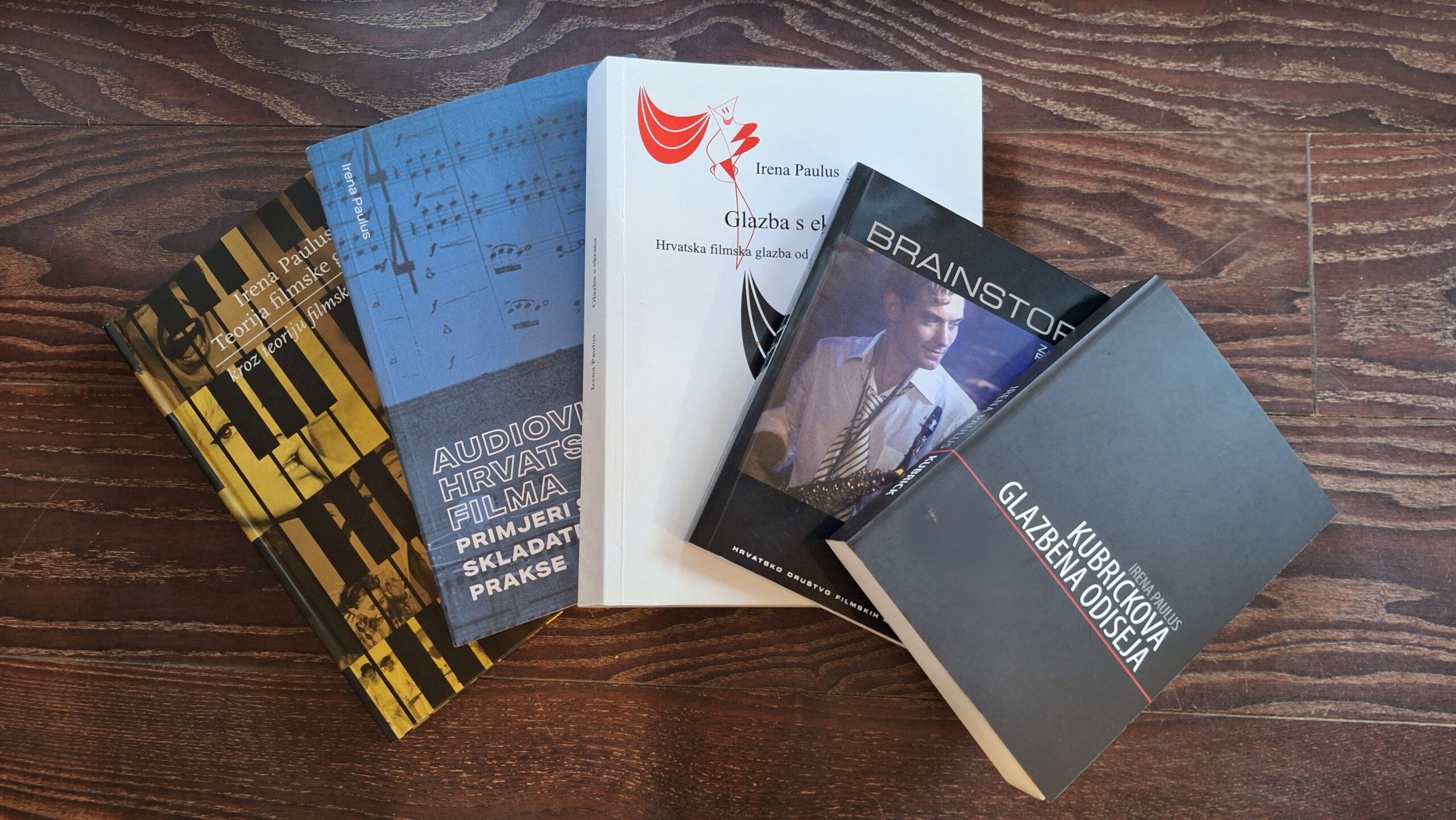
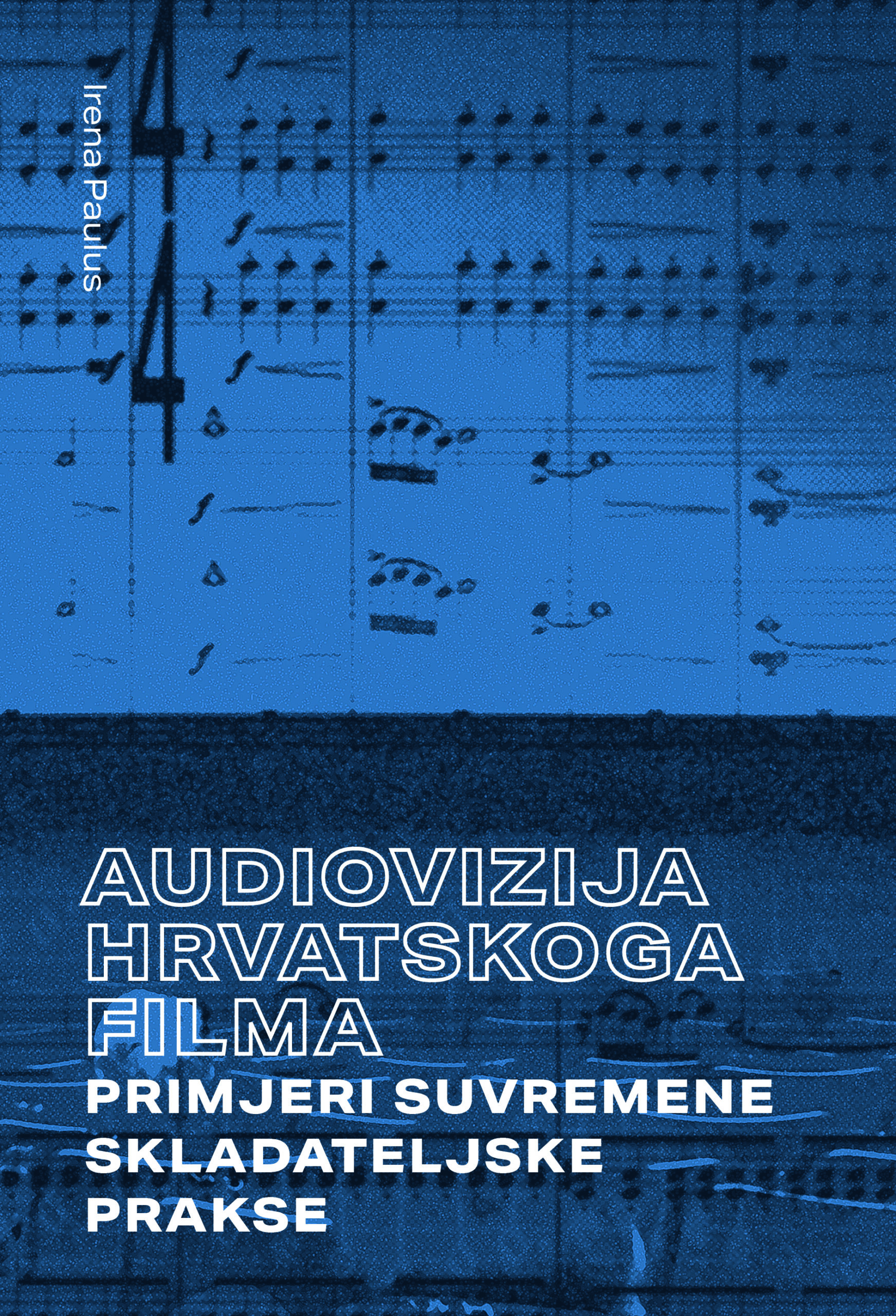
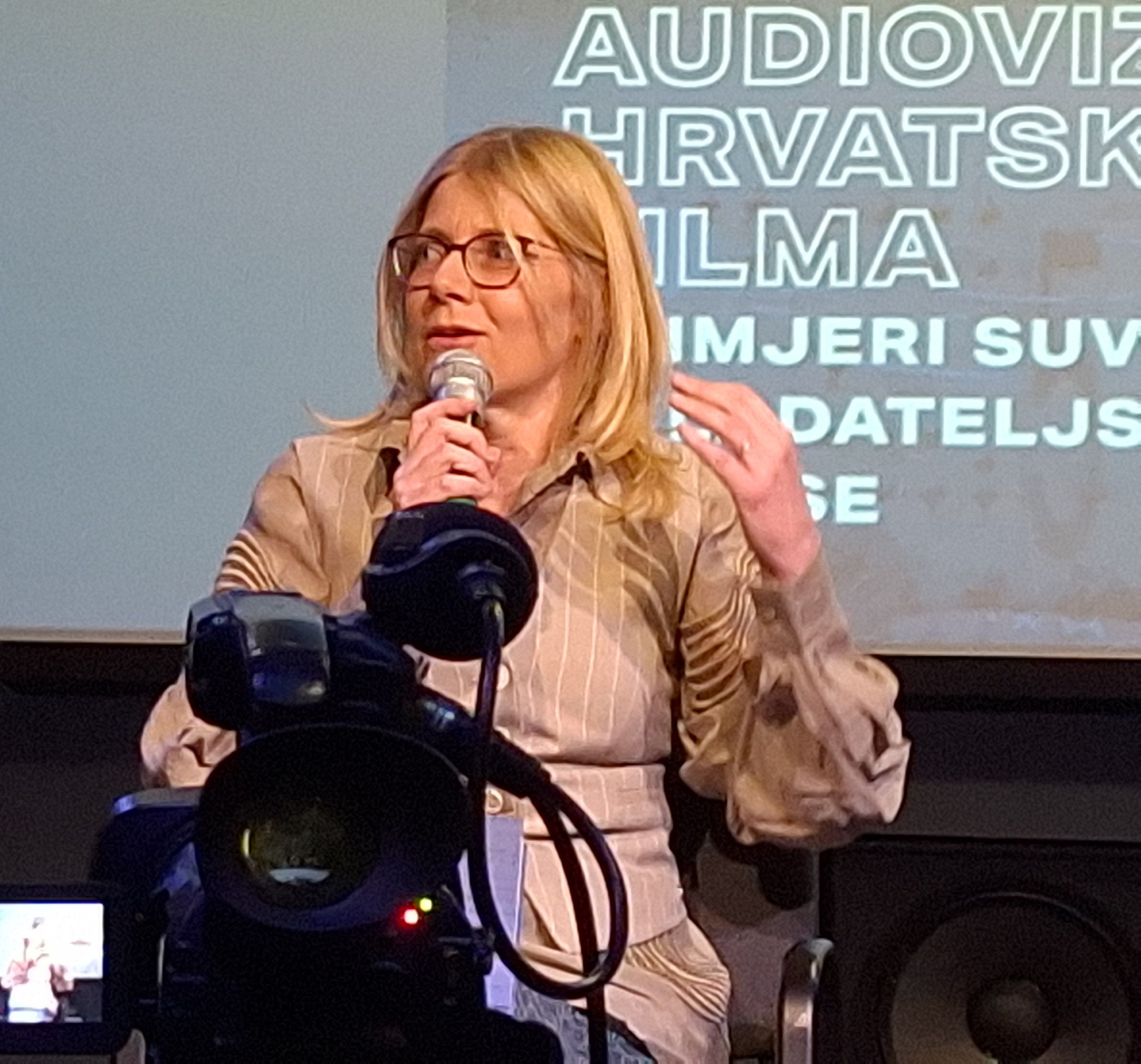
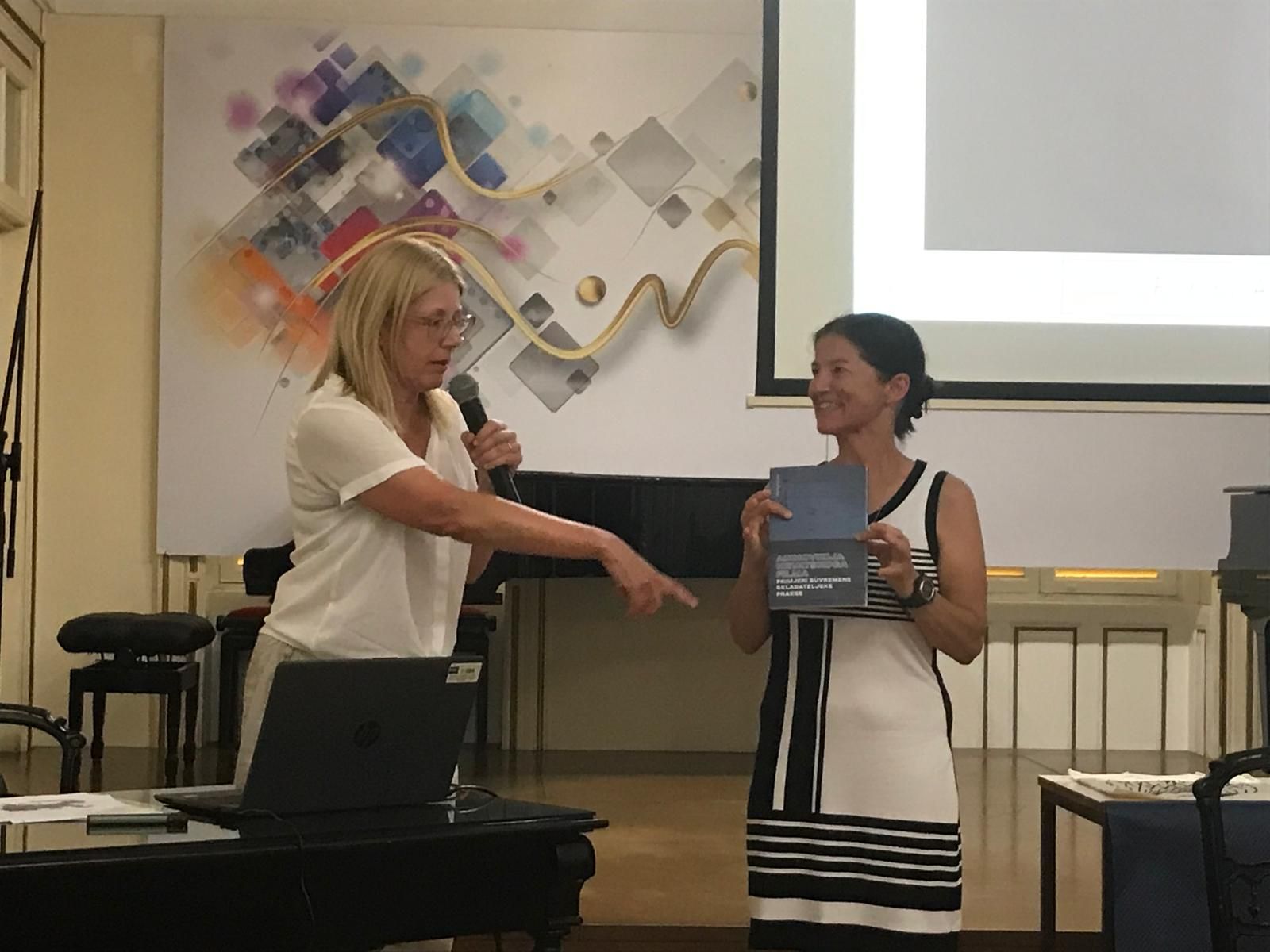
Croatian Film’s Audiovision – Examples of Contemporary Compositional Practice, published by the Croatian Film Association in 2024, presents an overview of film music in Croatia from the 1980s to the present day. It brings together the perspectives of various composers into a coherent and engaging volume that fills a twenty-year gap in this specific field of research, which emerged after the publication of the author’s book Music from the Screen: Croatian Film Music from 1942 to 1990—the first professional publication in the Croatian language to systematically address film music, more specifically the works of Croatian composers in Croatian cinema.
Through analyses of the music from Croatian films The Diary of Diana Budisavljević (2019) directed by Dana Budisavljević, That Wonderful Night in Split (2004) directed by Arsen Anton Ostojić, F20 (2018) also directed by A. A. Ostojić, The Conversation (2022) directed by Dominik Sedlar, Fishing and Fishermen’s Complaints (2020) directed by Milan Trenc, A Patriotc Man (2013) directed by Arto Halonen, and Visitors from the Galaxy (1981) directed by Dušan Vukotić, the book reveals the cinematic applicability of compositional techniques used by younger and middle-generation Croatian film composers. They are: Alen and Nenad Sinkauz, Mate Matišić, Dalibor Grubačević, and Igor Paro—as well as two veterans, Tomica Simović and Alfi Kabiljo.
The book is written in Croatian.
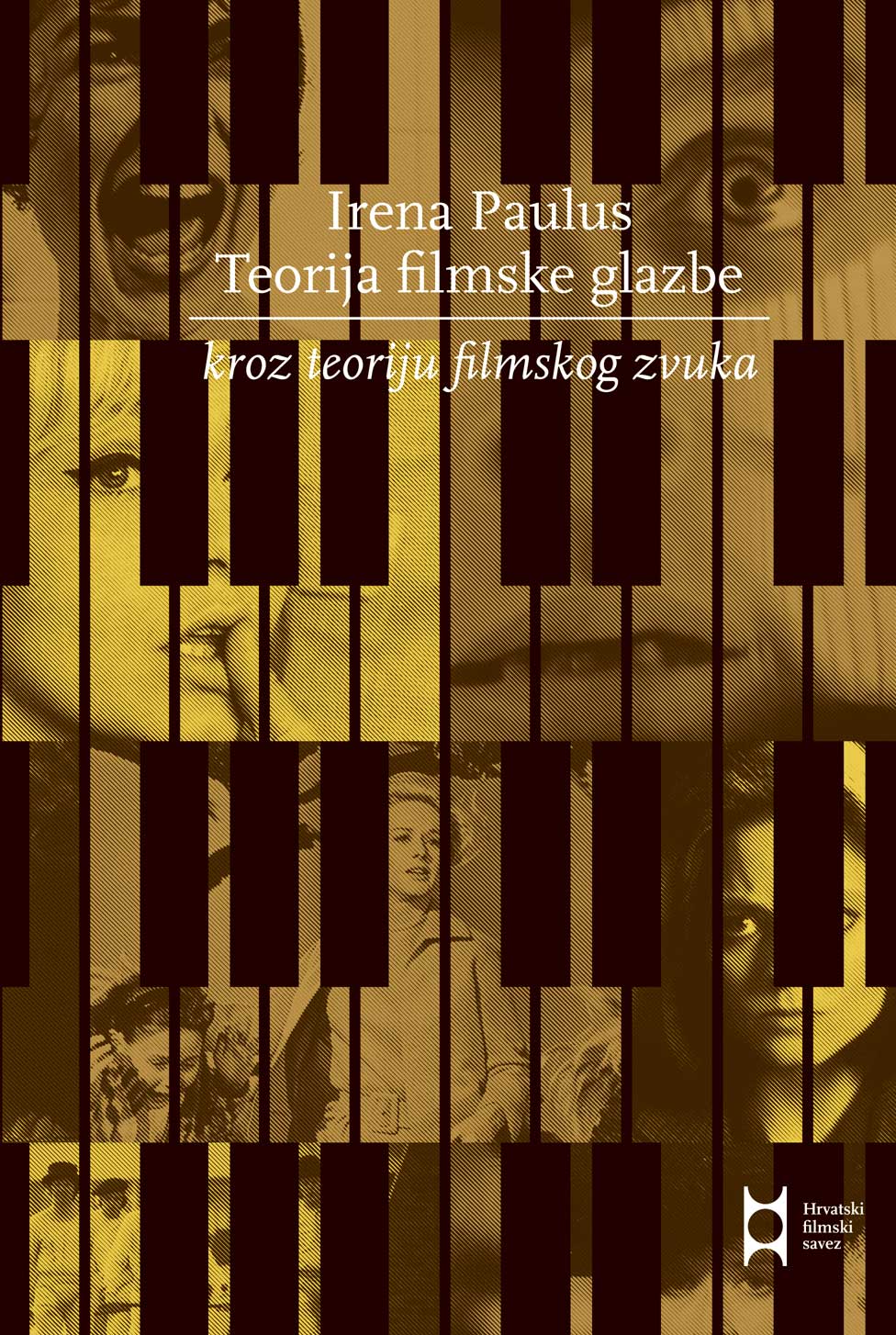
Theory of Film Music through the Theory of Film Sound was published by the Croatian Film Association in 2012. In this book, the theoretical aspects of music as an element of film sound are examined through five sections.
The first section, titled “The Acoustic Foundations of Tone and Their Use in Film,” explains the biological origins of sound (through the study of the organ of hearing, the ear) and its physical origins (through the study of the acoustic foundations of sound, that is, the sound wave). Acoustics divides sound into tone and noise, and even the basic parameters of tone—loudness, pitch, timbre, and duration—can be used in film in specific ways.
The second section, “The Classification of Film Sound,” divides film sound into three basic components: speech, noise, and music. Their definitions in the literature are examined and compared, and a “transitional” point connecting all three categories is sought: namely, in film, speech can function as noise, noise as music, and music as noise or speech.
The third section, “The Temporal Dimension of Film Sound: Time as a Characteristic of Film Music,” considers time as a specific musical category. Many components of music are marked by this dimension: rhythm, tempo, meter, melody, harmony, and form. Viewed from the perspective of film music, the ways in which these elements participate in shaping film discourse are explored.
The fourth section, “The Temporal Dimension: The Integration of Music and Other Film Elements,” seeks to establish a connection between film time and musical time. It discusses synchronous and asynchronous sound as elements of film projection time, as well as simultaneous and non-simultaneous sound as elements of film dramatic time.
The final section, “The Spatial Dimension as a Criterion for the Classification of Film Sound and Film Music,” addresses space as a visual and auditory element of film. It becomes clear that space—especially the space of the film narrative—is a fundamental criterion for one of the basic classifications of film sound and film music: their division into diegetic and non-diegetic music, or sound. By comparing earlier theories, the book demonstrates that space has always been a criterion, although a systematic terminology took a long time to develop.
The book is written in Croatian.
Kubrick’s Musical Odyssey, published by Pozitiv film in 2011, traces the maturation and evolution of film director Stanley Kubrick’s relationship with music. It represents a kind of journey through Kubrick’s film oeuvre from a musical perspective which, of course, cannot exclude the exceptionally important visual component of the director’s films. This evolution includes the growth of the author’s musical eclecticism, as he made equal use of traditional film scoring alongside elements of contemporary music (his debut film Fear and Desire, 1953), jazz (Killer’s Kiss, 1955; The Killing, 1956), and classical music (first employed in Paths of Glory, 1957). The only Kubrick film accompanied by a typical Hollywood score was Spartacus (1960), but already in his subsequent films he began combining different musical styles by different authors (Lolita, 1962; Dr. Strangelove, 1964).
2001: A Space Odyssey (1968) represents the pinnacle of Stanley Kubrick’s filmmaking, not only in visual but also in auditory terms. His charismatic selection of works from the classical music repertoire attracted numerous analysts who sought meaning and reasons for their use. In his later films, Kubrick attempted to recreate the specificity of musical usage from 2001. He came closest in A Clockwork Orange (1971), where the atmosphere of the selected classical music stood in opposition to the depicted scenes. In Barry Lyndon (1975) he abandoned the ironic counterpoint that had contributed most to the multivalence of the relationship between music and image. Works from the classical music repertoire continued to be used in all of Kubrick’s later films (Barry Lyndon; The Shining, 1980; and Eyes Wide Shut, 1999). Indeed, the use of non-original film music (classical musical works, songs) allowed him to be a “director of music,” that is, to keep music under his own control—a goal he pursued throughout his life.
The book is written in Croatian.
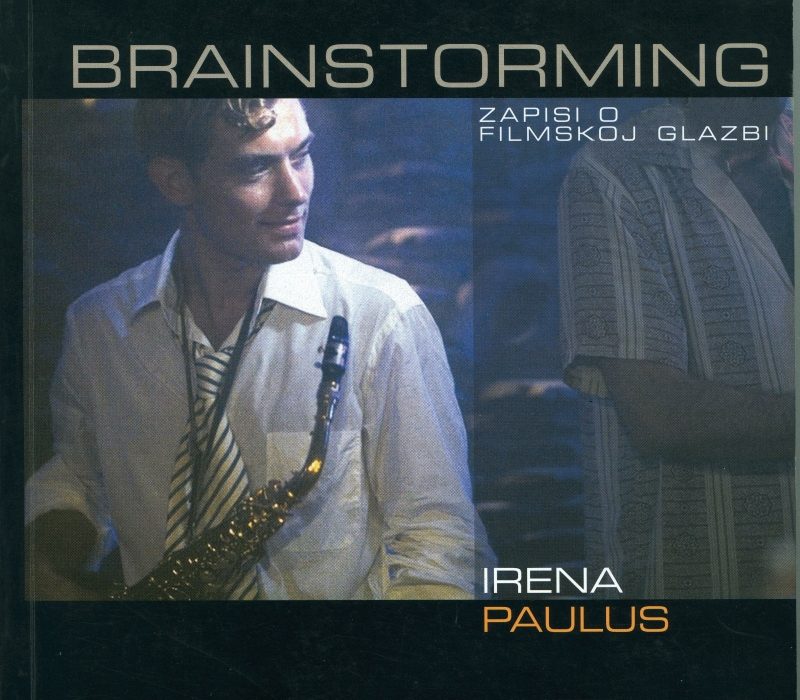
Brainstorming – Notes on Film Music
“Pointing to the fact that film music, as an artistic discipline, has been considerably marginalized in this country, the author focuses in this book precisely on this phenomenon, examining it, on the one hand, as a distinct artistic value with its own autonomous quality, and on the other as a boundary art that stands equally within the realms of music and film. In this sense, through selected examples the author discusses Croatian, American, and European cinema, or, from a genre perspective, an appropriate corpus of feature, animated, and documentary films; alternatively, by focusing on the modes of presentation of this type of music, she analyzes the soundtracks of certain film classics and contemporary repertory hits, as well as specific compilations and film music concerts. The texts collected in the book were published in the magazine Vijenac in the period from 2000 to the end of 2002.” (Zlatka Sačer)
Music from the Screen – Croatian Film Music from 1942 to 1990
Music from the Screen is the first book on film music published in Croatia; it contains analyses of the film music of seventeen Croatian composers. At the same time, it provides a historical overview of the development of film music from 1942 to 1990 in Croatia. A total of 58 films are discussed (feature, documentary, and animated), and the book also includes musical score excerpts as well as photographs featuring scenes from selected films. It is divided into three sections. The first addresses the beginnings of film music in Croatia, and analyses works of classical composers who also composed for films. The second sections focuses on the generation of the 1930s, and brings forth composers who were employed as film composers in Music department of Dubrava film studio. It also discusses composers who primary wrote popular songs and chansons and became interested in film music along the way. The third section is titled ‘Jazz… Animated Film… Jazz’ and explores usage of jazz in feature films and animated shorts, mainly filmed by authors from the famous Zagreb school of animation.
The book includes a bibliography, an extensive index of names and titles, and an index of terms. It is written in Croatian.
Publications
„Film Music in Croatia Today: Between Marginalization and Revival“, in: Music Beyond the Concert Hall, eds: Dragana Jeremić Molnar, Biljana Leković, Radoš Mitrović, University of Arts in Belgrade, Faculty of Music, Belgrade, 2025, pp. 74-86.
„Gottfried Huppertz’s Medieval Soundtrack – Between Fritz Lang and Richard Wagner“, in: Archeology and Popular Culture, eds: Jacqueline Balen, Ema Kosnica, Daniel Rafaelić, Archaeological Museum in Zagreb, 2025, pp. 92-100 In English and in Croatian.
- title of the Croatian version: „Srednjevjekovni soundtrack Gottfrieda Huppertza – između Fritza Langa i Richarda Wagnera“, u: Arheologija i popularna kultura (katalog izložbe), ur: Jacqueline Balen, Ema Kosnica, Daniel Rafaelić, Arheološki muzej u Zagrebu, 2025, str. 92-100.
„Transcultural Musical Encounters / 3: Kōji Morimoto, Yōko Kanno, and the Zagreb School of Animation’s Legacy“, in: The Palgrave Handbook of Music and Sound in Japanese Animation, ed: Marco Pellitteri, Palgrave MacMillan, 2024, pp. 289-316 In English
“Music is critically underused in Croatian films; its potential is almost completely ignored.“ (interview with film composer Dalibor Grubačević) September 6, 2025.
- original: „Glazba se u hrvatskim filmovima kritično malo koristi, njezin je potencijal skoro potpuno zanemaren“ (razgovor s Daliborom Grubačevićem ususret obljetničkom koncertu – proslava 50. rodendana) 6. rujna 2025.
“Willkommen, bienvenue, welcome…”, program booklet of the musical Cabaret, Croatian National Theatre (on the occasion of the opening of the Theatre’s new building, HNK2 – premiere: November 13, 2025) In Croatian.
- original: „Willkommen, bienvenue, welcome…“, tekst o povijesti kabareta u programskoj knjižici Cabaret povodom otvaranja nove zgrade HNK2 – premijera: 13.11.2025.
Les Misérables – A Firework of Emotion, Courage and Defiance, program booklet for the musical Les Misérables at the Komedija Theatre in Zagreb (2024, pp. 34–35). In Croatian.
- original: „Jadnici – vatromet emocija, hrabrosti i prkosa“. Programska knjižica mjuzikla Les Misérables / Jadnici kazališta Komedija u Zagrebu, 2024, str. 34-35
“Tomislav Simović – A Modest Genius Whose Music Lives in Generations’ Memories”, glazba.hr, July 10, 2024 In Croatian.
- original: „Tomislav Simović – samozatajni genijalac čija glazba živi u sjećanju generacija”, glazba.hr, 10. srpnja 2024.
“Music and sound directing in the film Protest”, in: Protest – 55 years later /edition: Learning about classics, Diana Nenadić (editor), Hrvatski filmski savez (Croatian Film Association), Zagreb, 2022, pp. 92-118. In Croatian.
- original: „Glazba i režija zvuka u filmu Protest“, u: Protest – 55 godina poslije (edicija Učimo klasike), ur: Diana Nenadić, Hrvatski filmski savez, Zagreb, 2022, pp. 92-118.
“Between Anime and Opera: Female Characters in Kōji Morimoto’s Animated Film Magnetic Rose”, Književna smotra, Vol. 54, 2022, No. 205 (3), pp. 53–65. In Croatian.
- original: „Između animea i opere: ženski likovi u animiranom filmu Magnetna ruža Kōjija Morimotoa, Književna smotra, vol. 54, 2022, br. 205 (3), str. 53-65.
“Animafest Jingle Music from a Musicological Point of View“, in: Fifty Years of the World Festival of Animated Film – Animafest Zagreb, Hulahop d.o.o., 2022, pp. 492–505. (Published both in Croatian and English)
“Williams in Vienna: The Return” (A report from the maestro’s March concert in Vienna, Austria), Film Score Monthly Online, April 2022, vol. 27 no. 4, online, pp. 94–99 In English
“A Journey into the Realm of Film Music”, editorial, The New Theories (journal of the Academy of Arts and Culture, Osijek), 2021/1, pp. 5–11. In English.
“Music and Genre in Vukotić’s Film Welcome to Planet Earth”, 2021, in: Welcome to Planet Earth, a Film by Dušan Vukotić, Zagreb: Dušan Vukotić Association, pp. 221–227 In Croatian.
- original: „Glazba i žanr u Vukotićevom filmu ‘Dobrodošli na planet Zemlja’“, 2021, u: Dobrodošli na planet Zemlja, film Dušana Vukotića, Zagreb: Udruga Dušan Vukotić, str. 221-227.
“Alfi Kabiljo, an interview on the occasion of his 85th birthday – a composer who is always in shape”, glazba.hr. May 15th 2021. In Croatian.
- original: “Alfi Kabiljo, razgovor u povodu 85. rođendana – skladatelj koji je uvijek u formi”, glazba.hr, 15. svibnja 2021.
„Contemporary contribution to the study of film music“ (review of the book Rasprava o popratnoj filmskoj glazbi / Discussion on Nondiegetic Film Music by Hrvoje Turković, 2020), Hrvatski filmski ljetopis, (27), 2021, nr. 105, pp. 145-154. In Croatian.
- original: „Suvremeni doprinos proučavanju filmske glazbe“ (recenzija knjige: Hrvoje Turković, 2020, Rasprava o popratnoj filmskoj glazbi), Hrvatski filmski ljetopis, god. 27, proljeće 2021, br. 105, str. 145-154.
“Yugoslav Film and Popular Culture: Arsen Dedić’s Songs in Films”, in: Made in Yugoslavia: Studies in Popular Music, Routledge, 2020, pp. 49–57. In English
“A Contemporary Approach to Film Music and Sound in the Films A Wonderful Night in Split and F20“, Hrvatski filmski ljetopis, 2020 (XXVI), Nos. 102–103, pp. 5–21. In Croatian
- original: „Suvremeni pristup filmskoj glazbi i zvuku u filmovima Ta divna splitska noć i F20“, Hrvatski filmski ljetopis, god. 26 (2020), br. 102-103, str. 5-21
„The unfathomable secret of film music – an interview with Mate Matišić“, Hrvatski filmski ljetopis, (26) 2020, no. 102-103, pp. 22-33. In Croatian.
- original: „Nedokučiva tajna filmske glazbe – razgovor s Matom Matišićem“, Hrvatski filmski ljetopis, god 26 (2020), br. 102-103, str. 22-33.
„Film music ‘in between’, film music in the SFRY“ (a review of the book Filmska muzika u SFRJ – između politike i poetike / Film music in SFRY – between politics and poetics by Maja Vasiljević, Beograd, 2016), Hrvatski filmski ljetopis, (26), 2020, nr. 101, pp. 137-145. In Croatian.
- original: „Filmska glazba ‘između’, filmska glazba u SFRJ“ (recenzija knjige Maje Vasiljević, Filmska muzika u SFRJ – između politike i poetike, Beograd, 2016), Hrvatski filmski ljetopis, god. 26, proljeće 2020, br. 101, str. 137-145.
“Lisinski and Love and Malice: On the Similarities Between the First Croatian Sound Feature Film and the First Croatian National Opera“, Hrvatski filmski ljetopis, 2019 (XXV), No. 100, pp. 26–46. In Croatian
- original: „Lisinski i Ljubav i zloba: o sličnostima sudbina prvoga hrvatskoga zvučnoga dugometražnoga igranoga filma i prve hrvatske nacionalne opere“, Hrvatski filmski ljetopis, god. 25, 2019, br. 100, str. 26-46.
“John Williams and the Musical Avant-Garde: The Score for War of the Worlds“, in: John Williams: Music for Films, Television and the Concert Stage, Turnhout: Brepols, 2018, pp. 327–341. In English.
“Claude Debussy and Film Music”, Književna smotra, 2018 (L), No. 190 (4), pp. 53–63. In Croatian (original & translation in English and in German available on academia.edu)
- original: „Claude Debussy i filmska glazba“, Književna smotra, god. L, 2018, br. 190 (4), str. 53-63.
“Animation Experienced through Music: Tomislav Simović and the Zagreb School of Animation”, in: International Perspectives at Animafest Zagreb: Global Animation Theory, New York/London: Bloomsbury, 2018, pp. 177–195. In English.
„Walt Disney and the Power of Music“ (review of the book Music in Disney’s Animated Features by James Bohn) Libri et Liberi, 7, 2018., nr. 1, pp. 169-171. In English.
“Tijardović, Korallenprinzessin and Lied der Adria: From the Sea, via Schlager, Love Songs, Football… Back to the Sea”, in: Princess of the Coral, Time Machine 1, Pula Film Festival, 2017 In Croatian.
- original: „Tijardović, Korallenprinzessin i Lied der Adria: od mora, preko šlagera, ljubavnih pjesama, nogometa… do mora“, 2017, Princeza koralja, edicija: Vremeplov 1, Pula film festival, str. 44-58.
“Knifer and Music: From Stravinsky to Minimalism”, in: Image and Anti-image – Julije Knifer and the Problem of Representation, Zagreb: cvs_centar za vizualne studije, 2017, pp. 265–291. In Croatian
- original: „Knifer i glazba: od Stravinskog do minimalizma“, 2017, u: Slika i antislika – Julije Knifer i problem reprezentacije,, Zagreb: cvs_centar za vizualne studije, str. 265-291
“Why it’s worth listening to the movie Visitors from the Galaxy”, Cantus, 2017, no. 204, pp. 72-74 (interview with film critic Željko Luketić) In Croatian.
- original: “Zašto vrijedi poslušati Goste iz galaksije”, Cantus, srpanj 2017, br. 204, str. 72-74 (razgovor s filmologom Željkom Luketićem)
Chapter “Glazba u Hrvatskoj” / “Music in Croatia”, in: Hrvatska na prvi pogled (Udžbenik hrvatske kulture, ed: Sanda Lucija Udier, Zagreb, 2014, FF press, pp. 270-297; second edition: 2017, str. 270-297) In Croatian.
“Music in Croatia”, in: Croatia at First Sight (A Textbook of Croatian Culture), ed. Sanda Lucija Udier, Zagreb, 2016, FF press, p. 291-317. (English edition) In English
“About Bourne and Beyond: The Soundtrack in the Media Whirlwind”, Hrvatski filmski ljetopis, 2016 (XXII), Nos. 86–87, pp. 5–24.
- original: “O Bourneu i šire: soundtrack u medijskome vrtlogu”, Hrvatski filmski ljetopis, god. 22, 2016, br. 86-87, str. 5-24
“The Film’s Identity in the End Credits: Extreme Modes in Jason Bourne“, Umjetnost riječi, 2016 (LX), Nos. 1–2, pp. 77–100. In Croatian
- original: “Identitet filma na odjavnoj špici: ekstremni načini Jasona Bournea”, Umjetnost riječi, god. LX, 2016, br. 1-2 (I-160), str. 77-100
“Music in the Film Visitors from the Galaxy in the Context of Global Science Fiction“, in: Comparative History of Croatian Literature – Proceedings XVIII, 2016, pp. 328–345. In Croatian
- original: “Glazba u filmu Gosti iz galaksije u kontekstu svjetskoga znanstvenofantastičnog filma”, u: Komparativna povijest hrvatske književnosti – Zbornik radova XVIII. Fantastika: problem zbilje, 2016, str. 328-345.
“Film Songs as a Cross-Section of Alfi Kabiljo’s Work”, Croatian Film Chronicle (Hrvatski filmski ljetopis), (22), 2016, no. 88, pp. 114–121 In Croatian.
- original: „Filmske pjesme kao presjek stvaralaštva Alfija Kabilja“, Hrvatski filmski ljetopis, god. 22, 2016, br. 88, str. 114-121.
“Tomica Simović: Animating the Orchestra”, in: Giannalberto Bendazzi: Animation: A World History, vol. 2, 2016, CRC Press / Taylor & Francis Group / A Focal Press Book, pp. 262–264 In English
“Igor Savin, Animating the Synthesizer”, in: Giannalberto Bendazzi: Animation: A World History, vol. 2, 2016, CRC Press / Taylor & Francis Group / A Focal Press Book, pp. 268–269 In English
“Berković and Mozart”, 2016, in: Berković (monograph), ed. Diana Nenadić, Zagreb: Croatian Film Association, pp. 125–136 In Croatian.
- original: „Berković i Mozart“, 2016, u: Berković (monografija), ur: Diana Nenadić, Zagreb: Hrvatski filmski savez, str. 125-136.
“From Symphony and Opera to Rock and Trademark: The Musical Variety of Silent Film”, Zapis, special issue, 2016 In Croatian.
- original: „Od simfonije i opere do rocka i trademarka: Glazbeno šarenilo nijemog filma“, Zapis, poseban broj, 2016
“Poetic Expression in 2CELLOS Music Videos: Smooth Criminal and Hurt”, in: Comparative History of Croatian Literature – Proceedings XVII, 2015, pp. 294–307. In Croatian
- original: “Poetski izraz u glazbenim videozapisima 2CELLOS: Smooth Criminal i Hurt”, u: Komparativna povijest hrvatske književnosti – Zbornik radova XVII. Poema u hrvatskoj književnosti: problem kontinuiteta, 2015, str. 294-307.
“Ivo Tijardović – The First Croatian Film Composer for Foreign Producers?”, Arti musices, No. 45/1, 2014, pp. 53–71. In Croatian
- “Ivo Tijardović – prvi hrvatski filmski skladatelj za strane producente?”, Arti Musices br. 45/1, svibanj 2014, str. 53-71
“Silence in the Movies: Silence versus Sound“, Proceedings of the CroArtScia Symposium, 2014, No. 1, pp. 119–123. In English.
“Williams versus Wagner – Or an Attempt at Linking Musical Epics”, in: Film in Concert, ed. Sebastian Stoppe, Glückstadt, Verlag Werner Hülsbusch, 2014, pp. 63–107. In English.
“Hrvoje Turković and Film Music: Questioning Ingrained Principles”, Hrvatski filmski ljetopis, 2013 (XIX), Nos. 73–74, pp. 127–138. In Croatian
- original: “Hrvoje Turković i filmska glazba: propitivanje ukorijenjenih načela”, Hrvatski filmski ljetopis, god. 19, proljeće-ljeto 2013, br. 73-74, str. 127-138.
“A Very Tangled Tale: Music in the Film Battle of Neretva“, in: 60 Years of the Pula Film Festival and Croatian Film, eds. Nikica Gilić, Zlatko Vidačković, Matica hrvatska, Zagreb, 2013, pp. 101–116. In Croatian
- original: „Vrlo zapetljana priča: glazba u filmu Bitka na Neretvi“ u: 60 godina festivala igranog filma u Puli i hrvatski film (zbornik radova sa znanstvenog skupa održanog 19. siječnja 2013. u Velikoj dvorani Matice hrvatske u Zagrebu), ur: Nikica Gilić, Zlatko Vidačković, Zagreb, 2013, Matica Hrvatska, str. 101-116
“The Battle on the Neretva and Four Composers”, in: New Unknown Music – Festschrift for Nikša Gligo (eds. Nada Bezić, Dalibor Davidović), Zagreb, 2013, DAF, pp. 329–338 In Croatian.
- original: “Bitka na Neretvi i četiri skladatelja” u: Nova nepoznata glazba – Svečani zbornik za Nikšu Gliga (ur: Nada Bezić i Dalibor Davidović, Zagreb, 2013, DAF, str. 329-338)
“A Visionary Work: The Green Meadow as the EU”, Cantus, 2013, no. 181, p. 40 In Croatian.
- original: „Vizionarsko djelo: Zelena livada kao EU“, Cantus, srpanj 2013, br. 181, str. 40
Cabaret About Life and Life About Cabaret, text for the program booklet for the musical Cabaret by J. Kander and F. Ebb (Komedija Theatre, 2012).
- original: „Kabaret o životu i život o kabaretu“, tekst uz programsku knjižicu mjuzikla Cabaret J. Kandera i F. Ebba (premijera, 26. svibnja 2012)
“Disney as a Role Model?”, in: Collection-Catalogue for the Exhibition Surrogate Reality – Half a Century of Croatian Animation, Galerija Prsten, HDLU, 2011, pp. 38–49 In Croatian.
- „Disney kao uzor? /Disney as a Role Model?“ (tekst za zbornik-katalog uz izložbu Surogat stvarnosti – pola stoljeća hrvatske animacije), Galerija Prsten, HDLU, 9. 6. – 3. 7. 2011, str. 38-49